
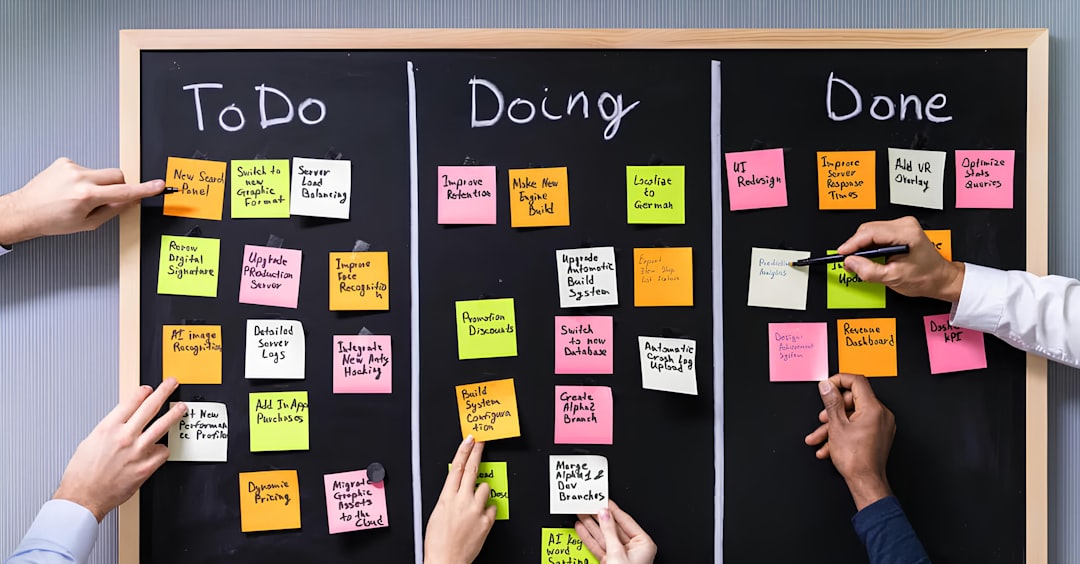
Photo by GABRIEL CARVALHO on Unsplash
Introduction: The Power of Intentional Free Time
Free time is often undervalued, but when managed intentionally, it becomes a catalyst for personal and professional growth. This guide explores evidence-based strategies to transform unstructured moments into purposeful activities. In our hyper-connected world, the average person spends over two hours daily on social media and mindless scrolling. By reclaiming just a fraction of this time, you can develop new skills, advance your career, or simply enjoy more fulfilling experiences. The key lies not in filling every moment with activity, but in making conscious choices about how you invest your most valuable resource: time.
Assess Your Current Time Usage
Begin by tracking how you spend your free time. Use a simple journal or app to identify patterns. Are you scrolling endlessly, pursuing hobbies, or resting? Awareness is the first step to optimization. For accurate tracking, try the RescueTime app or a paper log for three consecutive days. Record activities in 15-minute increments, noting your energy levels and emotional state. Look for patterns: do you feel energized after certain activities? Drained after others? This data reveals your natural rhythms and helps identify time-wasters. Many people discover they spend 2-3 hours daily on low-value activities like social media browsing or TV channel surfing. Once identified, these patterns become targets for positive change.
Prioritize Tasks with the Eisenhower Matrix
- Urgent & Important: Schedule these immediately – work deadlines, family emergencies, critical meetings.
- Important but Not Urgent: Allocate dedicated free time for these activities – skill development, exercise, relationship building, long-term planning.
- Urgent but Not Important: Delegate or minimize – most emails, some meetings, interruptions from colleagues.
- Not Urgent & Not Important: Eliminate or limit strictly – excessive social media, gossip, busy work.
Apply this framework to your free time by asking: Does this activity align with my values and long-term goals? For example, watching educational videos scores higher than random YouTube browsing. Reading industry articles beats celebrity gossip. The matrix helps you distinguish between productive rest and unproductive consumption.
Time Blocking: Your Secret Weapon for Free Time Mastery
Time blocking involves scheduling specific activities during your free time, treating them like important appointments. Start by identifying your peak energy hours – perhaps early morning or late evening. Block 30-60 minutes for focused activities like learning a new skill, working on side projects, or pursuing hobbies. Use calendar apps like Google Calendar or physical planners. Color-code different activity types: blue for learning, green for exercise, yellow for creative pursuits. This visual system prevents overbooking and ensures balanced allocation across life areas. Remember to include buffer time between blocks for transitions and unexpected interruptions.
Incorporate Micro-Productivity Moments
Use small windows of time for high-impact tasks. Learn a language for 10 minutes, sketch ideas, or exercise. These micro-actions build momentum without overwhelming your schedule. Keep a list of 5-minute activities ready: review flashcards, organize your desk, stretch, practice gratitude, or brainstorm ideas. Apps like Duolingo, Headspace, or Blinkist make micro-learning seamless. During commute time, listen to podcasts or audiobooks. Waiting in line? Catch up on industry news or respond to personal messages. These moments compound significantly over weeks and months, creating substantial progress toward your goals.
Digital Detox and Distraction Management
Modern distractions are the biggest enemy of productive free time. Implement app blockers like Freedom or Cold Turkey during designated work periods. Turn off non-essential notifications and keep your phone in another room during focused activities. Create phone-free zones in your home, especially bedrooms and dining areas. Consider implementing ‘digital sunset’ one hour before bedtime to improve sleep quality. Use the 20-20-20 rule: every 20 minutes, look at something 20 feet away for 20 seconds to reduce eye strain. These boundaries protect your attention span and preserve mental energy for meaningful activities.
Balance Productivity and Relaxation
Free time isn’t just about work. Schedule downtime to recharge. Activities like reading, meditation, or spending time with loved ones reduce burnout and enhance creativity. Quality relaxation differs from passive consumption. Active rest includes activities that genuinely restore your energy: nature walks, creative hobbies, meaningful conversations, or gentle exercise. Passive activities like binge-watching TV might feel relaxing but often leave you drained. Aim for the 80/20 rule: 80% intentional activities, 20% guilt-free leisure. Include both active recovery (light stretching, socializing) and passive recovery (meditation, naps) in your routine. Listen to your body’s signals – sometimes what feels like procrastination is actually needed rest.
Building Sustainable Free Time Habits
Lasting change requires gradual habit formation rather than dramatic overhauls. Start with one new practice and master it before adding others. Use habit stacking: attach new behaviors to existing routines. For example, after morning coffee, spend 10 minutes planning your free time. Track your progress visually with habit trackers or simple checkmarks on a calendar. Celebrate small wins to maintain motivation. Expect setbacks – they’re normal parts of the process. Instead of abandoning efforts after slip-ups, analyze what triggered the deviation and adjust your approach accordingly. Consistency over perfection yields better long-term results.
Conclusion: Craft Your Ideal Free Time Framework
Maximizing free time requires intentionality, not rigidity. Experiment with the strategies above, adapt them to your lifestyle, and remember: quality over quantity matters most. Start by implementing one technique this week – perhaps time tracking or the Eisenhower Matrix. Notice how it shifts your perspective on available time and energy. Your ideal framework will evolve as your circumstances change, so regularly reassess and adjust. The goal isn’t to eliminate leisure entirely, but to ensure your free time serves your broader life objectives while providing genuine satisfaction. Remember that rest itself is productive when it restores your capacity for meaningful action. By taking control of your free time, you transform from a passive consumer of minutes into an intentional architect of your life’s most precious moments.