
Introduction to AI in Cleaning
Artificial Intelligence (AI) is no longer confined to tech sectors. Its integration into cleaning tasks is revolutionizing how we approach maintenance, offering automation, precision, and cost savings. This guide explores practical AI applications for efficient cleaning, tailored for professionals and homeowners alike.
AI-Powered Cleaning Tools
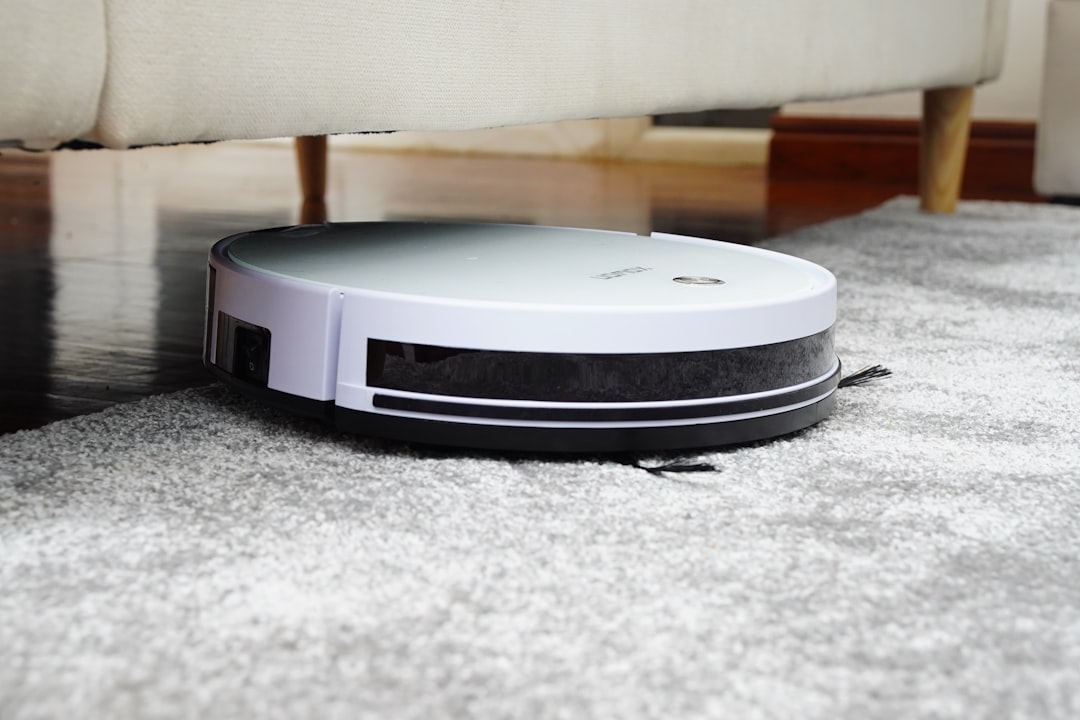
From robotic vacuums to smart sensors, AI-driven devices adapt to environments, learning patterns to optimize cleaning schedules. These tools reduce manual labor and ensure thorough results. For instance, modern robotic cleaners can map rooms, avoid obstacles, and adjust cleaning patterns based on floor type or dirt levels. This adaptability makes them ideal for both small apartments and large commercial spaces.
Advanced Features Transforming Modern Cleaning
Today’s AI cleaning devices incorporate sophisticated technologies like LIDAR navigation, computer vision, and machine learning algorithms. High-end robotic vacuums can now distinguish between different floor surfaces and automatically adjust suction power accordingly. Some models feature companion apps that allow users to set no-go zones, schedule cleanings weeks in advance, and receive maintenance alerts. In commercial settings, AI-powered floor scrubbers can detect spills in real-time and automatically adjust cleaning intensity, reducing water and chemical usage by up to 40% compared to traditional methods.
Smart mops equipped with AI sensors can measure soil contamination levels and determine optimal cleaning pressure. These devices often integrate with smart home ecosystems, allowing voice control through assistants like Alexa or Google Assistant. Professional cleaning companies are increasingly adopting these technologies to provide consistent, high-quality service while reducing labor costs and improving safety standards.
Automation and Workflow Optimization
AI analyzes data to automate repetitive tasks such as scheduling, inventory management, and task prioritization. By leveraging machine learning algorithms, cleaning services can predict peak demand periods and allocate resources more effectively. This not only minimizes human error but also frees up valuable time for professionals to focus on high-value activities. For example, AI-driven dashboards can track cleaning performance metrics in real time, allowing managers to make informed decisions quickly.
Predictive Analytics for Resource Management
AI systems excel at analyzing historical data to predict future cleaning needs. Commercial facilities can use predictive models to determine optimal cleaning frequencies based on foot traffic patterns, seasonal variations, and occupancy rates. For instance, a large office building might use AI to analyze elevator usage data and automatically schedule intensive cleaning in high-traffic areas during low-occupancy periods like evenings or weekends.
Inventory management has also been revolutionized through AI. Smart tracking systems can monitor cleaning supply levels across multiple locations and automatically place orders when stock falls below predetermined thresholds. This prevents service interruptions and eliminates the need for manual inventory checks. Some advanced systems even factor in supplier delivery times and seasonal demand fluctuations to optimize ordering schedules and reduce storage costs.
Cost-Effective Solutions
Adopting AI tools leads to significant long-term savings. Predictive maintenance powered by AI can prevent costly equipment failures in commercial cleaning operations. Additionally, AI-powered energy management systems help reduce electricity consumption by optimizing the use of cleaning devices. Homeowners and businesses alike benefit from these innovations, which enhance efficiency without breaking the bank.
Quantifiable Financial Benefits
Studies show that organizations implementing AI in cleaning operations typically see a 25-35% reduction in overall cleaning costs within the first year. Labor costs decrease by approximately 20% as AI handles routine tasks, allowing human workers to focus on complex cleaning challenges that require judgment and expertise. Energy consumption drops by 15-20% when AI systems optimize device operation schedules and power management.
Preventive maintenance enabled by AI sensors can reduce equipment replacement costs by up to 50%. Traditional reactive maintenance often results in emergency repairs and unplanned downtime, whereas AI-driven monitoring identifies potential issues before they become critical failures. This proactive approach extends equipment lifespan and maintains consistent cleaning quality, preventing the need for expensive deep-cleaning sessions or facility shutdowns.
Actionable Takeaways
- Invest in AI-enabled devices for routine cleaning tasks to maximize convenience and savings.
- Use AI analytics to identify cleaning inefficiencies and adjust strategies accordingly.
- Integrate AI with existing systems for seamless operations and improved workflow.
- Implement predictive scheduling to align cleaning activities with actual facility usage patterns.
- Establish key performance indicators (KPIs) to measure AI impact on cleaning quality and cost efficiency.
- Train staff on AI system capabilities to maximize technology adoption and effectiveness.
- Start with pilot programs in high-traffic areas before scaling AI solutions facility-wide.
Conclusion
AI is truly a game-changer for cleaning efficiency. By embracing these technologies, both professionals and everyday users can achieve cleaner environments with minimal effort and cost. Whether you’re managing a busy office or maintaining your home, AI offers powerful solutions that adapt to your needs. Stay ahead in the evolving cleaning industry by harnessing the potential of artificial intelligence. Embrace the future of cleaning today.
Looking Forward: The Next Decade of AI in Cleaning
As AI technology continues to advance, we can expect even more sophisticated cleaning solutions. Emerging trends include autonomous cleaning drones for high-reach areas, AI-powered air quality monitoring systems that automatically adjust ventilation and cleaning schedules, and collaborative robots (cobots) that work alongside human cleaners to handle heavy lifting and hazardous materials. The integration of IoT sensors throughout buildings will enable completely automated cleaning ecosystems that respond dynamically to environmental conditions and usage patterns.
The future also holds promise for AI-driven quality assurance systems that use computer vision to inspect surfaces and verify cleaning effectiveness, automatically flagging areas that need additional attention. As sustainability becomes increasingly important, AI will play a crucial role in optimizing resource usage, from water conservation to eco-friendly chemical dispensing. Organizations that invest in AI cleaning technologies today are positioning themselves as industry leaders and preparing for the next wave of innovation that will redefine professional cleaning standards.
By understanding and implementing these AI solutions strategically, cleaning professionals and facility managers can transform their operations from cost centers into efficiency powerhouses that deliver exceptional results while reducing environmental impact and operational expenses.