
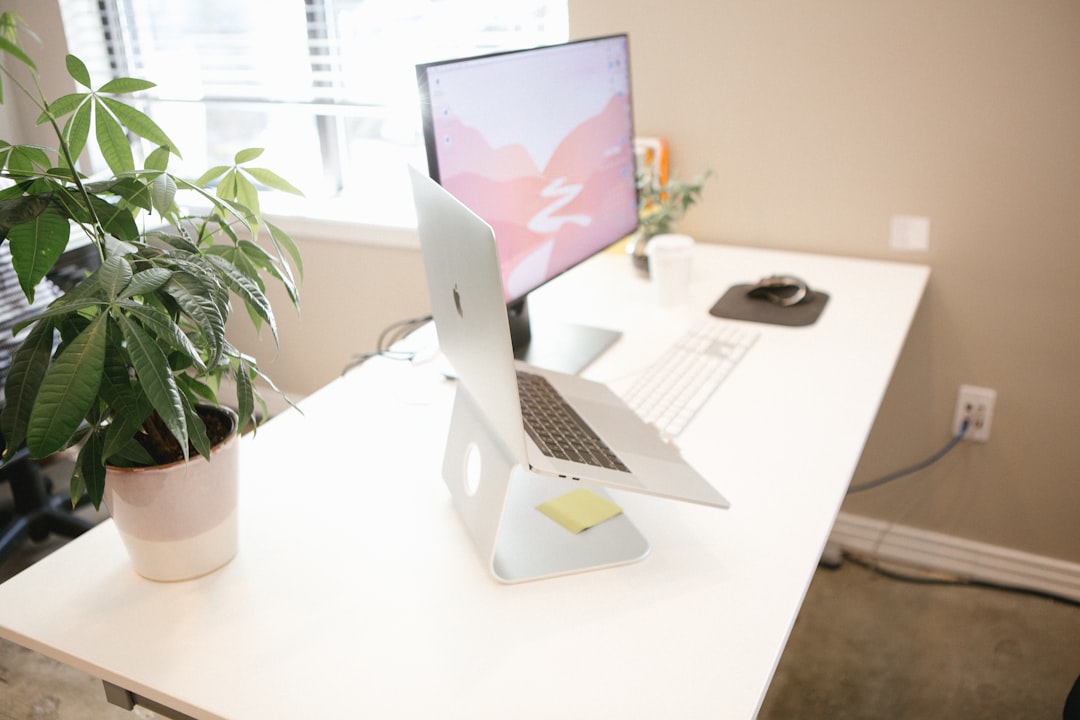
Photo by Mad Fish Digital on Unsplash
Introduction: Free Time Is Your Hidden Productivity Asset
Free time is not just the space between obligations. It is a valuable resource that can help you build skills, complete creative projects, improve your health, and reduce the pressure of busy weeks. The goal is not to fill every spare minute with work. The goal is to use your available time with intention so that your life feels more focused, creative, and manageable.
Whether you have 20 minutes after dinner, a quiet Sunday morning, or a full afternoon away from work, a simple productivity system can help you make better use of it. This is especially useful for designers, Photoshop users, writers, and anyone who wants to turn scattered free time into meaningful progress.
Start With a Clear Purpose
Before you try to become more productive, decide what you want your free time to accomplish. Productivity without direction often turns into busyness. A clear purpose gives your time shape.
Ask yourself three questions:
- What would make me feel satisfied this week?
- What task would reduce future stress?
- What creative or professional skill would benefit from consistent practice?
Your answers might include editing photos in Photoshop, organizing files, learning a new technique, exercising, reading, preparing meals, or finishing a small project. The best choice is usually something specific enough to complete and valuable enough to matter.
Use a Simple Time Audit
Most people overestimate how little free time they have. For one week, track how your evenings and weekends are spent. You do not need a complex app. A notebook, calendar, or simple spreadsheet is enough.
Look for patterns. You may notice that you lose 30 minutes to scrolling, another 20 minutes deciding what to watch, and more time switching between unfinished tasks. Once you see where your time goes, you can protect it more effectively.
The goal is not self-criticism. The goal is awareness. A time audit helps you choose better activities instead of letting habits choose for you.
Create a Short Menu of High-Value Tasks
One reason free time disappears is decision fatigue. When you finally sit down, you spend energy choosing what to do. By the time you decide, your focus is gone.
Create a short menu of tasks you can complete in different time blocks:
- 10 minutes: clear your desktop, reply to one message, save inspiration, or write a quick to-do list.
- 30 minutes: practice one Photoshop shortcut, organize a folder, stretch, or draft part of a project.
- 60 minutes: complete a design task, edit a photo set, study a tutorial, or plan the next week.
- 2 hours: finish a meaningful creative project, clean your workspace, or complete a learning session.
This menu makes it easier to start quickly. It also helps you match the task to your energy level.
Protect Your Best Energy
Not all free time is equal. The hour after a long workday is different from a fresh Saturday morning. Productive people do not treat every hour the same. They schedule demanding tasks when their focus is strongest and lighter tasks when their energy is lower.
If you are a designer or Photoshop user, save your best focus for creative work that requires judgment, such as retouching, compositing, color grading, or client revisions. Use lower-energy periods for admin tasks like renaming files, backing up work, or organizing references.
This approach improves both quality and satisfaction. You stop wasting peak energy on low-value chores and low energy on work that deserves attention.
Apply the Two-Task Rule
A common mistake is trying to use free time for too many goals. You may want to exercise, learn Photoshop, clean the house, answer emails, read, and plan your career all in one afternoon. The result is often shallow progress everywhere.
Instead, use the two-task rule: choose one practical task and one growth task. The practical task removes friction from your life. The growth task builds long-term value.
For example, you might organize your photo library and then complete one 30-minute Photoshop tutorial. Or you might prepare your workspace and then draft a portfolio update. This balance keeps productivity realistic and rewarding.
Build a Shutdown Ritual
Ending your free time well matters. A shutdown ritual helps you finish without leaving mental clutter behind. It also makes it easier to return to the task later.
Before you stop working, take five minutes to:
- Write the next action you should take.
- Save and organize your files.
- Close unnecessary tabs and apps.
- Note what you completed.
- Set a specific time for the next session.
This habit is especially useful for creative work. In Photoshop, for instance, naming layers, saving versions, and leaving a short note can save you from confusion later.
Make Rest Part of the Plan
Productivity is not the same as constant output. Rest is not wasted free time. It protects your attention, creativity, and motivation. If every spare moment becomes another obligation, productivity quickly turns into burnout.
Schedule real rest without guilt. Go for a walk, cook a good meal, spend time with family, or step away from screens. A refreshed mind is usually more useful than a tired one pushing through low-quality work.
Conclusion: Use Free Time With Intention
Making the most of your free time does not require a dramatic lifestyle change. It requires clarity, small systems, and consistent choices. Start with a clear purpose, track where your time goes, prepare a task menu, protect your best energy, and build routines that help you finish well.
When you treat free time as a strategic asset, you can make steady progress on important goals without sacrificing balance. The result is not just higher productivity. It is a more focused, creative, and intentional life.