
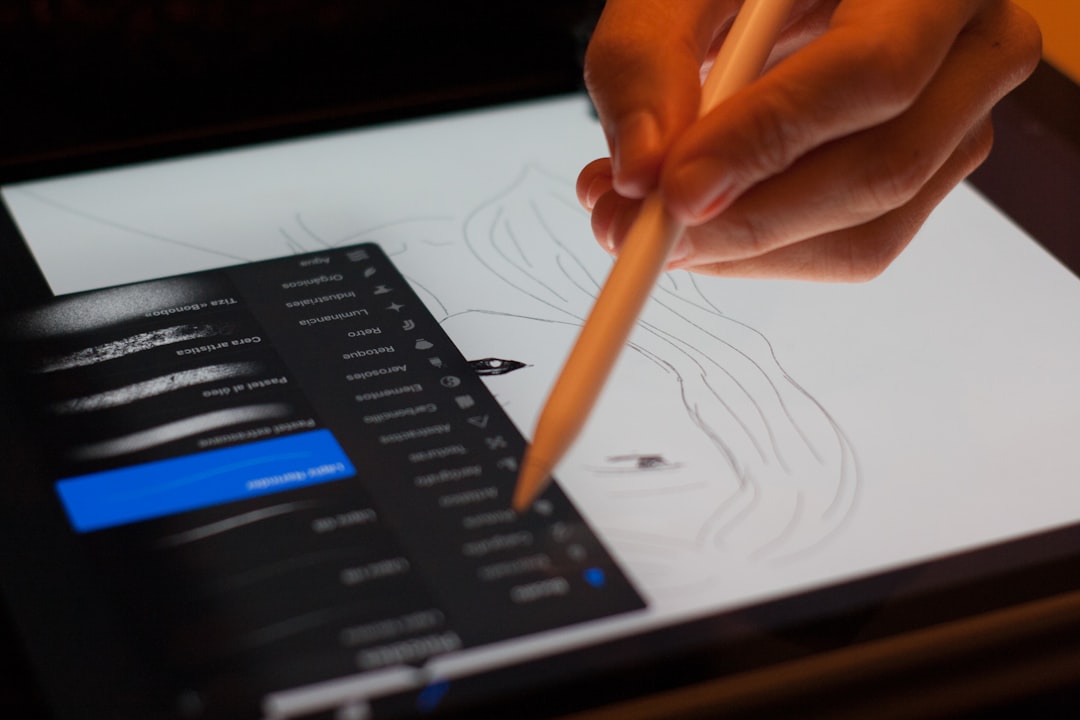
Photo by Rober González on Unsplash
Why the Latest AI Matters: Revolutionizing Photoshop Workflows
As technology continues to advance, the integration of artificial intelligence (AI) into creative software is no longer a distant dream—it’s a reality that’s transforming the way we create and edit images. Photoshop, a staple in the digital artist’s toolkit, is no exception. The latest AI developments are not just enhancing its capabilities but are also redefining the creative process.
The Evolution of AI in Photoshop
AI has been gradually making its way into Photoshop, starting with basic features like auto-enhancements and gradually evolving into more sophisticated tools that can understand and interpret the nuances of visual content. The latest AI advancements are pushing the boundaries even further, offering artists and designers unprecedented levels of creativity and efficiency.
AI-Driven Workflow Enhancements
The latest AI in Photoshop is not just about adding new features—it’s about revolutionizing the way we work. AI-powered tools are streamlining workflows, making it easier to achieve complex effects and enhancements with just a few clicks. This is not just about saving time; it’s about unlocking new creative possibilities that were previously impossible or impractical.
Enhancing Creativity with AI
AI is not just making Photoshop more efficient; it’s also making it more creative. AI-powered tools can generate new ideas, suggest creative solutions, and even create new content. This is not just about automating repetitive tasks; it’s about empowering artists and designers to explore new creative frontiers.
The Future of AI in Photoshop
The latest AI in Photoshop is just the beginning. As AI continues to evolve, we can expect even more transformative changes in the software. AI-powered tools will become even more sophisticated, offering even more creative possibilities and workflow enhancements. This is not just about staying ahead of the curve; it’s about embracing the future of digital creativity.
Conclusion
The latest AI in Photoshop is not just a new feature—it’s a revolution. It’s transforming the way we create and edit images, making Photoshop more efficient, more creative, and more powerful than ever before. As AI continues to evolve, we can expect even more transformative changes in the software. This is not just about staying ahead of the curve; it’s about embracing the future of digital creativity.
Practical Applications of AI in Photoshop
Let’s dive into some practical applications of the latest AI in Photoshop to see how it’s already making a difference in the creative world. For example, the AI-powered Select Subject tool uses machine learning to automatically detect and isolate the main subject in a photo, making it easier to apply effects or remove backgrounds. This tool has been particularly useful for photographers who need to edit product images quickly and efficiently.
Another example is the Neural Filters feature, which uses AI to generate new visual effects based on the content of the image. For instance, you can use the Neural Filters to create a surreal, dreamlike effect by blending elements from different images or to apply a style inspired by famous painters. This feature has opened up new creative possibilities for artists and designers who want to experiment with different visual styles.
AI is also being used to improve color grading and editing. The Color Efex Pro plugin, for example, uses AI to automatically adjust the color balance and saturation of an image, making it easier to achieve professional-looking results. This feature has been particularly useful for video editors who need to edit multiple clips quickly and efficiently.
Case Studies: AI in Photoshop in Action
Let’s look at some case studies to see how the latest AI in Photoshop is being used in real-world applications. For example, a professional photographer named Sarah used the AI-powered Select Subject tool to edit a series of product photos for an online store. She was able to isolate the products from the backgrounds and apply effects to make them stand out, all with just a few clicks. This process would have taken her hours to complete manually, but with the AI tool, she was able to complete the editing in just a few minutes.
Another example is a digital artist named John who used the Neural Filters feature to create a series of surreal, dreamlike images for a commercial project. He was able to blend elements from different images and apply a style inspired by famous painters, all with just a few clicks. This process would have taken him weeks to complete manually, but with the AI tool, he was able to complete the project in just a few days.
These case studies demonstrate the transformative impact of the latest AI in Photoshop on creative workflows. By automating repetitive tasks and unlocking new creative possibilities, AI is making it easier for artists and designers to achieve professional-looking results quickly and efficiently.
Challenges and Considerations
While the latest AI in Photoshop offers many benefits, it’s important to keep in mind some challenges and considerations. For example, as AI-powered tools become more sophisticated, they may also become more complex, making it harder for users to understand how to use them effectively. This can be a challenge for beginners who may feel overwhelmed by the new features.
Another consideration is the potential for AI to replace human creativity. While AI-powered tools can generate new ideas and suggest creative solutions, they cannot replace the unique perspective and creativity of a human artist. Therefore, it’s important to view AI as a tool that can enhance human creativity, rather than a replacement for it.
Finally, it’s important to keep in mind the ethical implications of AI in creative software. As AI becomes more sophisticated, it may be possible to use it to generate fake images or manipulate reality in ways that are difficult to detect. Therefore, it’s important to use AI-powered tools responsibly and ethically, and to be transparent about how they are being used.
Conclusion
The latest AI in Photoshop is not just a new feature—it’s a revolution. It’s transforming the way we create and edit images, making Photoshop more efficient, more creative, and more powerful than ever before. As AI continues to evolve, we can expect even more transformative changes in the software. This is not just about staying ahead of the curve; it’s about embracing the future of digital creativity. By understanding the practical applications and challenges of AI in Photoshop, artists and designers can use these tools to enhance their creativity and productivity, and to achieve professional-looking results quickly and efficiently.