
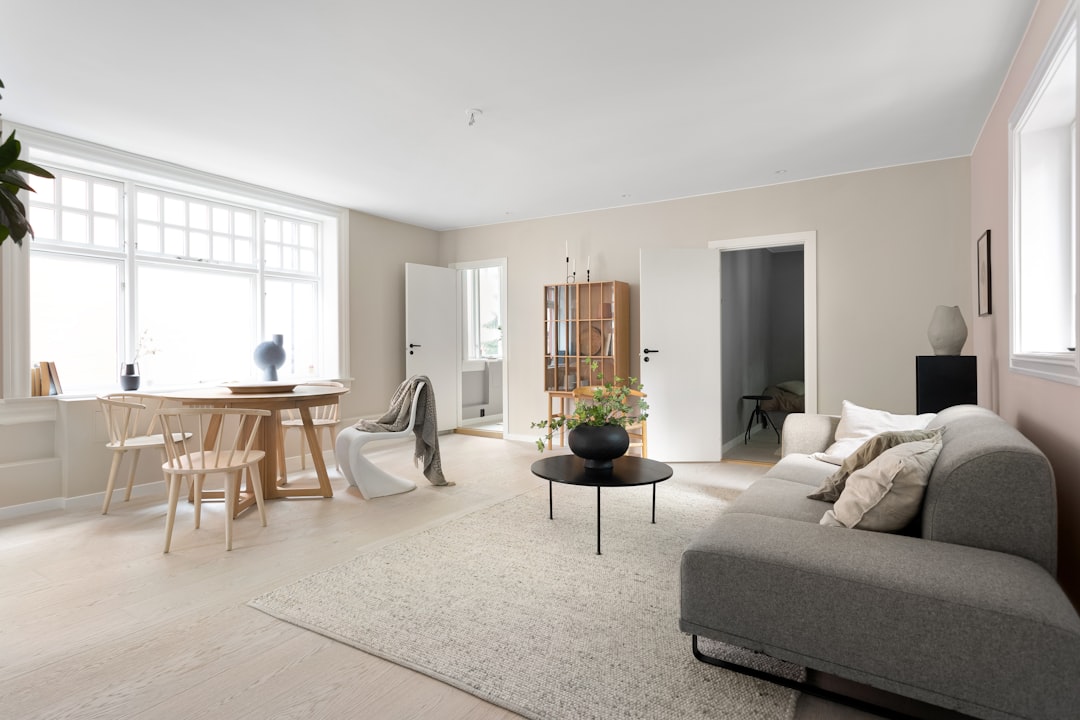
Photo by Lisa Anna on Unsplash
The Art of Efficient Cleaning: Why Time Management Matters
For many, cleaning feels like a never-ending cycle of chores that eat away at precious weekend hours. However, the difference between someone who spends six hours cleaning their home and someone who does it in two isn’t necessarily the amount of effort—it’s the workflow. By applying professional time management principles to your cleaning routine, you can achieve a spotless environment without sacrificing your entire Saturday.
Efficient cleaning is not about rushing; it is about eliminating wasted motion, prioritizing high-impact areas, and utilizing the right systems. Whether you are managing a household or looking to optimize a professional space, these strategies will help you reclaim your time.
1. The Power of the ‘Top-to-Bottom, Left-to-Right’ Rule
One of the biggest time-wasters in cleaning is re-cleaning. If you dust your baseboards first and then wipe down your ceiling fans, the dust from above will land on your freshly cleaned floors, forcing you to start over.
Implement a Directional Flow
- Start High: Always begin with the highest surfaces—cobwebs in corners, light fixtures, and shelving.
- Work Downward: Move to countertops, tables, and finally the floors.
- Follow a Path: Move through each room in a consistent direction (e.g., clockwise). This ensures you don’t miss a spot and prevents you from wandering aimlessly around the room.
2. Batching and Zoning Your Tasks
In the world of productivity, ‘batching’ is the process of grouping similar tasks together to reduce the mental energy required to switch gears. In cleaning, this means performing the same action across multiple rooms before switching tools.
Task Batching vs. Room Cleaning
Instead of cleaning the kitchen entirely and then moving to the bathroom, try batching by activity:
- The Dusting Phase: Dust every room in the house in one go.
- The Surface Phase: Wipe down all mirrors and glass surfaces throughout the home.
- The Floor Phase: Vacuum or mop all rooms consecutively.
This method is more efficient because you only carry your vacuum or your spray bottle through the house once, rather than repeatedly switching tools for every single room.
3. The ‘Clean as You Go’ Philosophy
The most efficient way to manage cleaning time is to prevent the buildup of grime in the first place. This is a proactive approach that reduces the intensity of your ‘deep clean’ sessions.
Daily Micro-Habits for Maximum Impact
Integrating these small habits into your daily routine can shave hours off your weekly cleaning schedule:
- The Two-Minute Rule: If a cleaning task takes less than two minutes (like putting a dish in the dishwasher or wiping a spill), do it immediately.
- Reset the Room: Before leaving a room, take ten seconds to put one item back in its place.
- Clear Surfaces: Keep countertops clear of clutter. It is significantly faster to wipe a bare surface than to move ten items, wipe, and put them back.
4. Optimizing Your Cleaning Toolkit
Nothing kills momentum like realizing you’re missing a specific cleaner and having to walk back to the laundry room to retrieve it. Your tools should be as mobile as you are.
Create a Cleaning Caddy
Invest in a portable caddy that holds all your essential supplies: all-purpose cleaner, glass cleaner, microfiber cloths, and a scrub brush. By carrying your ‘station’ with you, you eliminate the ‘travel time’ between rooms, which can add up to 15-30 minutes per session.
5. Setting Realistic Time Blocks
Parkinson’s Law states that ‘work expands to fill the time available for its completion.’ If you give yourself ‘all day’ to clean, it will take all day. Instead, use time-boxing.
How to Time-Box Your Cleaning
- Set a Timer: Give yourself 20 minutes for the living room. The ticking clock creates a sense of urgency that prevents perfectionism and keeps you moving.
- Prioritize ‘High-Traffic’ Areas: Focus 80% of your energy on the areas people actually see and use. The guest bedroom doesn’t need a deep scrub every week, but the kitchen does.
Conclusion: Consistency Over Intensity
Efficient cleaning is less about the strength of your scrub and more about the intelligence of your system. By implementing a directional flow, batching your tasks, and adopting a ‘clean as you go’ mindset, you transform cleaning from a daunting chore into a streamlined process. Start by picking one of these strategies this week, and watch your free time grow as your cleaning time shrinks.